

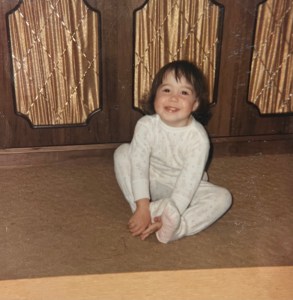


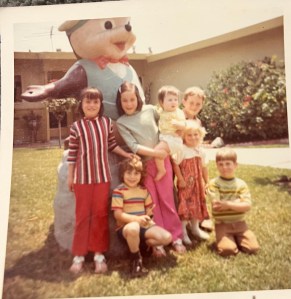
I never thought of it as “parental kidnapping” until my therapist used those words almost three years ago. It sounded so vicious and unlawful. When I was three years old, my father took my sister, who was two, and me, and we never saw or met our mother again until I was 19. This was a formative trauma in my life that cannot be denied, forgotten, or erased. It is a part of my heart’s essence, the matrix of my being. I have minimal recollection of my childhood until around the age of seven. I always believed that because I didn’t remember many details from the early years of my life, those years must not have been relevant to who I am or who I have become. But I’ve come to realize that this belief is not my truth. I’ve carried pain for a long time and have continued to avoid confronting its effects until now. Therapy has led me to revisit the painful and uncomfortable parts of my childhood. Recognizing how those experiences shaped me has allowed me to feel grateful, rather than resentful.
“It is a part of my heart’s essence, the matrix of my being.“
~ Diana Rau
When I had that aha moment of realization—that my childhood had ignited so much of who I am—I felt a weight lift from my chest. I began to understand my courage and determination to be the best mom I could be, despite having no reference from my own mother. Becoming a mother was both terrifying and a remarkable gift. I prayed and hoped I could be everything to my children that I didn’t have in the absence of my own mother. I was a mama bear you wouldn’t want to reckon with. When asked to evaluate myself, I felt content and proud. Are there things I might have done differently? Of course—many.
From as early as my preteen years, I remember questioning, “Where was my mom? Was she looking for us? Did she miss me?” The answers I received were vague, indirect, and dismissive. My father eventually remarried two times in my childhood, fathering a daughter with each wife. We moved frequently or lived in hiding with various extended family members. Our names, the details of our whereabouts, and our history were always to be kept secret. However, there was one confusing fragment that often clouded my feelings of abandonment by my mom. I had relationships with my maternal grandparents, a great aunt, my uncle (my mom’s brother), and close family friends of my parents, but none of these people would connect us to our mother. I felt betrayed by everyone. It built a distrust in me that has lingered quietly at times, and other times not so quietly. Even now, I sense that there are missing pieces to my childhood that I may never know. My mother’s absence during my formative years, coupled with the silence and withholding from those close to her, deepened my sense of abandonment. I believe this contributed to my insecurity, both about myself and in relationships.
This was when I reached a turning point in deciding to overcome one of the heaviest burdens on my heart: the choice to forgive my mom. I wanted to do it for my own healing, of course, but I also wanted her to know that I forgave her and didn’t want her to leave this earth carrying any pain or burden. My decision to continue holding onto this resentment felt selfish. It was, in part, because I didn’t know the circumstances of her life when she had me (she was only 17). But also because I have made many mistakes and choices that others might consider “unforgivable.” It felt as though I was holding her in penance. I was no longer filled with the resentment that had made our conversations feel empty and meaningless. I forgave her.
The conversation I had with my mom to tell her I forgave her was the most meaningful moment I had with her since our reunion over 40 years ago. Through my tears and heavy remorse, she comforted me, made me laugh, and we began to exchange similar experiences from the time we spent apart. We both realized it had always been hard to find cards for each other because we didn’t have the “Hallmark Greeting Card” history of a typical mother-daughter relationship. Her decision not to attend my wedding, with my father and other family members, was one of the hardest decisions she ever made. She felt that her presence would create tension and stress on what she described as “one of the happiest days of my life.” She had never told me this, and I had never asked. (I had assumed she didn’t care enough to be there.) In hindsight, this decision was very selfless of her. She was thinking of me, and I thanked her. I told her I was grateful that she brought me into this world, no matter her circumstances, and that I forgave her absence. I no longer resent her. I wanted her to know that having her in my life is a gift. I accept who she is and how much of her I get. I care about her deeply, and I smile and yearn for more memories with her, even at this late stage in life. This time in our relationship felt like a bridge to more meaningful moments. Grace and forgiveness for mistakes are important for me to receive, but it feels like such a core act of love to give it.
“Forgiveness allows you to drop the burden of resentment and pains of the past , and find freedom in the now” ~
Author ~ Jack Kornfield
Thank you to all of you who have read this far. These past couple of years have been incredibly healing, and I’m excited to share more stories of the lessons I’ve learned from healed trauma, even if it came late in life. I’ll say it again: I’m getting it, and the final season is going to be full of joy. No matter where my journey takes me, I promise that my posts will always have a happy ending.
Diana ~
Coming up…..
- Reunion with Mom
- Father’s Abandonment
- Insecurity/fears
- Effects of Independent Adult Children



 LadyDiRau
Leave a reply to tremendoushideoutfd8f8d89fc Cancel reply